
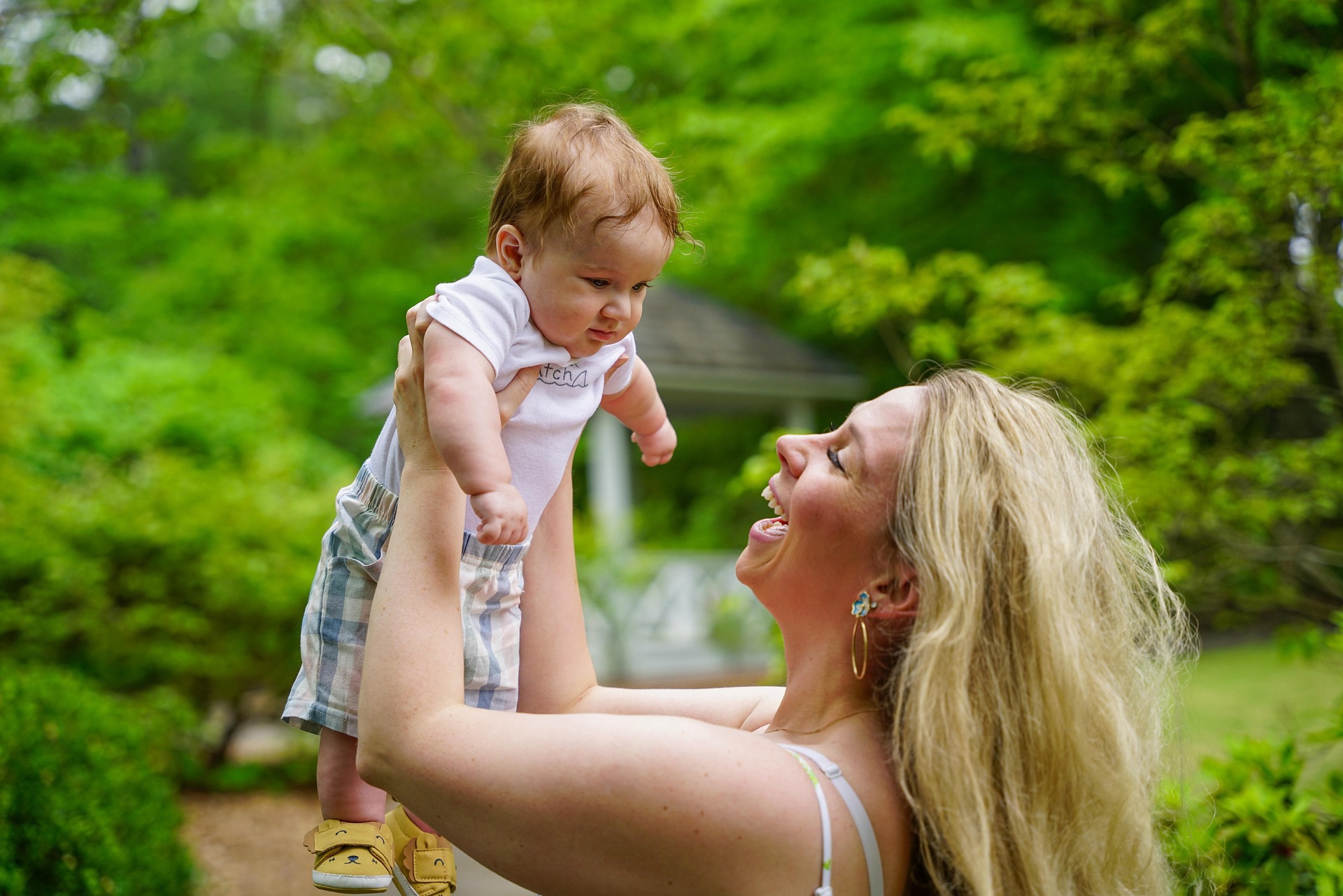
Every parent eagerly awaits the moment their baby says their first word — a magical milestone that marks the beginning of a lifetime of communication. But when does that moment typically arrive? And what should you expect along the way?
In this article, we’ll break down the stages of speech development, what’s typical, when to be concerned, and how you can support your baby’s language journey.
Baby’s Speech Development Timeline
0–3 Months: The Foundation of Communication
Cooing and gurgling: Your baby begins to make soft sounds and vocalize pleasure. Eye contact and smiles: These early social cues are critical building blocks for communication. Responds to voices: Babies may quiet down or become more alert when hearing familiar voices.
4–6 Months: Babbling Begins
Babbling sounds like “ba,” “da,” and “ga” start to emerge. Babies begin to explore the rhythm and tone of language, almost like they’re having a conversation with you.
7–12 Months: Meaningful Sounds
First words may appear around 9–12 months (often “mama” or “dada”). Babies begin to use gestures like pointing or waving “bye-bye.” They may understand simple words like “no” or “up,” even if they can’t say them yet.
12–18 Months: First Words
Vocabulary explosion begins: Your child might say a few recognizable words. They begin to name familiar people, pets, and objects. They understand and follow simple directions like “come here” or “give me the ball.”
18–24 Months: Word Combinations
By 18 months, many toddlers say 10–50 words. Around age 2, children often begin putting two words together, like “more milk” or “go outside.”
2–3 Years: Rapid Language Growth
Vocabulary may grow to 200–300 words or more. Sentences become longer and more complex: “I want to play now.” Your child may start asking questions and using plurals or pronouns.
What If My Child Isn’t Talking Yet?
Every child develops at their own pace, but here are a few signs that may warrant a conversation with your pediatrician or a speech-language pathologist:
No babbling by 6 months
No words by 15–18 months
Less than 50 words by age 2
Difficulty combining words by 2.5 years
Frustration or tantrums due to not being understood
Early intervention can make a big difference, so if you’re unsure, it’s always okay to ask for help.
How You Can Help Your Baby Talk
Talk all day: Narrate what you’re doing, even if it’s as simple as folding laundry or preparing a snack. Read daily: Picture books help build vocabulary and listening skills. Sing songs and rhymes: The rhythm helps babies learn how language flows. Pause and respond: Treat your baby’s babble like a real conversation. Label everything: Name objects, emotions, and actions to build connections.
Final Thoughts
Hearing your baby’s first word is an unforgettable moment, but remember — communication starts long before words. Eye contact, sounds, gestures, and expressions are all part of the incredible journey toward talking. Celebrate every step, big or small!
If you’re ever concerned, trust your instincts and speak with your pediatrician. Milestones are guides, not deadlines, and with the right support, every child can blossom in their own time.