
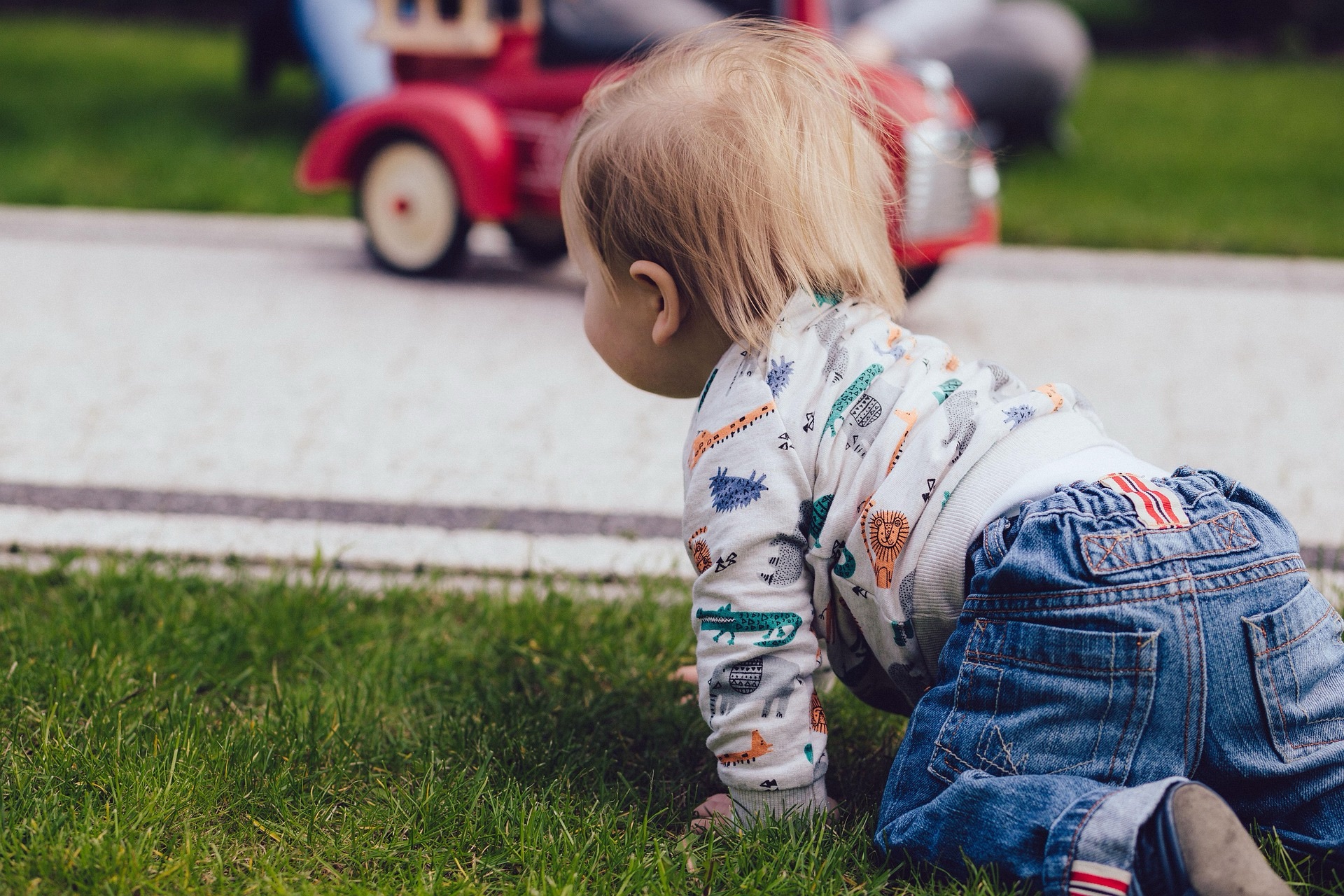
Watching your baby begin to crawl is one of the most exciting milestones in their development. It’s a sign they’re becoming more mobile, independent, and ready to explore the world around them. But when does crawling usually start, and what should parents expect? Let’s break down the typical timeline, signs to look for, and how you can support your baby as they prepare to move.
When Do Babies Typically Start Crawling?
Most babies start crawling between 6 and 10 months of age. However, some may skip crawling altogether and go straight to pulling up, standing, or walking. Every baby develops at their own pace, and that’s completely normal.
Signs Your Baby Is Getting Ready to Crawl
Before they officially start crawling, you might notice your baby:
Pushing up on their hands and knees Rocking back and forth on all fours Scooting backward before moving forward Rolling across the room to get to objects Pivoting in circles on their belly
These movements are part of building the strength and coordination needed for crawling.
Different Crawling Styles
Not all babies crawl the same way! Common crawling styles include:
Classic crawl: Moving one arm and the opposite leg together
Army crawl: Pulling themselves forward with their arms while belly stays on the floor
Bear crawl: Hands and feet on the ground, with knees off the floor
Crab crawl: Moving backward or sideways instead of forward
Scooting: Sliding on their bottom
Each style is a valid form of mobility, as long as baby is using both sides of their body.
How to Encourage Crawling
You can help your baby reach this milestone by:
Giving plenty of tummy time to build upper body strength Placing toys just out of reach to encourage movement Limiting time in swings, bouncers, or walkers Letting baby play on a safe, flat surface with room to explore
Keep the environment stimulating and safe — your baby’s curiosity will do the rest!
When to Talk to a Pediatrician
If your baby isn’t showing any signs of mobility by 12 months, or only uses one side of their body to move, it’s a good idea to consult your pediatrician. Early intervention can be helpful, and many babies just need a little extra support.
Final Thoughts
Crawling is a big step in your baby’s development — and a fun (if sometimes exhausting!) one to witness. Celebrate their progress, enjoy the giggles, and remember: every baby moves at their own unique pace.